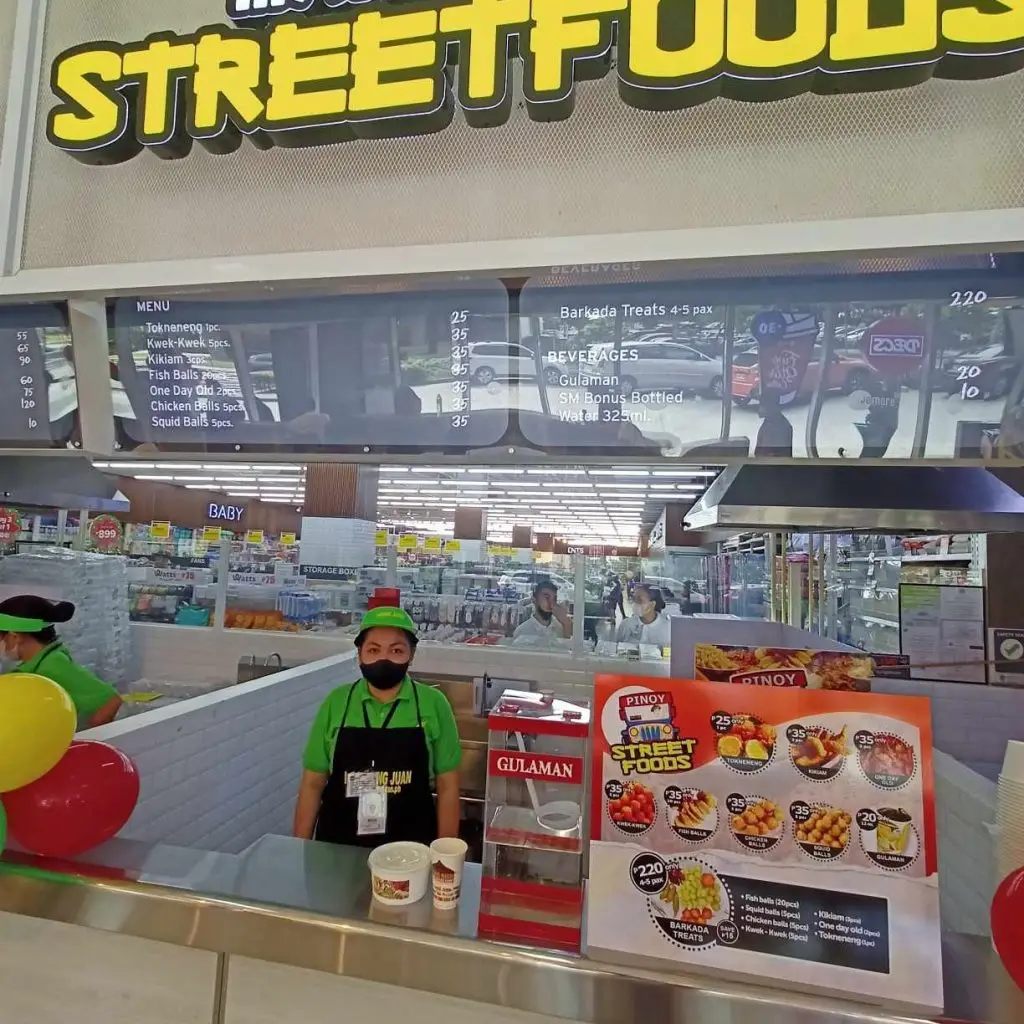
Food cart operations checklist is what separates a “busy cart” from a “profitable cart.” A lot of owners focus on sales, but profit comes from consistency. And consistency comes from routine.
The best operators don’t rely on memory or mood. They use a simple process every day: open clean, sell fast, control inventory, protect cash, and close properly. If you do this well, your business becomes predictable, and predictable businesses scale.
Below is a practical food cart operations checklist you can use daily. It’s written for real Philippine setups, including malls, transport hubs, and commercial areas.
Why you need a daily checklist
Food carts run at high speed. When you’re busy, you forget small tasks, and small tasks create big costs. A food cart operations checklist reduces waste, improves service speed, and keeps cash handling clean. It also makes training easier because staff follow a system instead of guessing.
Think of it as your daily profit protection tool.
Opening routine: set the cart up to win
A food cart operations checklist starts before the first customer arrives. Most lost sales happen because carts open late or start messy.
Arrive early enough to clean, set up, and check inventory. The goal is to be ready before peak traffic hits.
Your opening routine should always include: a quick cart inspection, sanitation check, equipment test, and stock verification. If the cart is in a mall, also check if you comply with operating rules that day, especially on weekends.
The first impression matters. Customers decide quickly.
Stock and inventory: stop guessing, start controlling
Inventory is where profit leaks quietly. A strong food cart operations checklist includes a quick inventory count at opening and a quick check before peak hours.
Know your minimum stock levels. When stocks fall below that level, you reorder. This prevents stockouts during peak traffic, which is one of the fastest ways to lose sales.
Also track items with high spoilage risk. Spoilage is not just “loss.” It’s profit being thrown away.
A simple rule: if you can’t track it, you can’t control it.
Service speed and workflow: protect your line
A food cart lives on throughput. Slow service reduces total transactions per hour. That’s why your food cart operations checklist must include workflow checks: are tools arranged properly? Are high-use items within reach? Are staff roles clear?
During peak hours, one person should focus on preparation while another focuses on selling and payment. Role clarity increases speed and reduces mistakes.
Speed is not rushing. Speed is smooth workflow.
Quality control: consistent taste, consistent profit
In many carts, quality drops when staff get tired. That’s normal, but it’s fixable.
A food cart operations checklist should include quality checks at set times: after opening, mid-shift, and near peak hours. Check portion sizes and preparation steps. Consistency protects brand trust, and brand trust drives repeat customers.
Portion control is also margin control. Even small portion creep will eat profit over time.
Cash handling: where many small businesses fail
Cash is simple, but it’s also sensitive. Your food cart operations checklist should include clear rules: who handles cash, where cash is stored, when deposits are made, and how expenses are approved.
Avoid “halo-halo” where personal money mixes with business money. If you do that, you’ll never know if the cart is actually making money.
At minimum, do a daily sales summary, count cash, and reconcile with expected totals. Even without a POS system, you can do this with discipline.
Staff discipline: people don’t rise to goals, they rise to systems
Even good staff will drift without structure. That’s why your food cart operations checklist must include short staff reminders: uniform check, hygiene check, role assignment, and a quick service standard briefing.
If you’re the owner, you set the tone. If you allow “pwede na,” the cart becomes “pwede na.” Customers can feel that.
Consistency is leadership.
Midday check: fix small problems before they become big
A strong food cart operations checklist includes a midday check, especially before peak traffic.
This is where you restock fast-moving items, clean key surfaces, review sales pace, and confirm staffing coverage. If sales are strong, you increase preparedness. If sales are slow, you adjust your selling approach and visibility.
Small corrections mid-shift often save the day.
Closing routine: protect tomorrow’s sales
Closing is not just cleaning. It’s preparing for tomorrow.
Your food cart operations checklist should include end-of-day inventory count, wastage recording, equipment cleaning, cash reconciliation, and storage compliance. If you skip closing discipline, tomorrow starts messy, and messy starts reduce sales.
Track what sold, what ran out, and what was wasted. That’s how you improve ordering accuracy.
Weekly upgrades: how good carts become great carts
Daily checklists keep you stable. Weekly reviews make you better.
Once a week, review your top sellers, waste patterns, and peak hours. Adjust order quantities. Check if staffing schedule matches traffic. Improve signage if visibility is weak. This is how a food cart becomes consistently profitable.
Final thought
Food cart operations checklist discipline might feel boring, but boring is good in business. Boring means predictable. Predictable means profitable. A cart that runs on systems will outperform a cart that runs on “diskarte” alone.
If you prefer a guided system rather than figuring everything out alone, you can review Mang Juan Franchising Corporation’s operating support and training approach, which is designed to help owners build consistent daily routines.